Buying used equipment at an online auction starts with knowing what you're bidding on.
Photos and descriptions can tell you a lot, but when an in-person inspection is available, it gives you another opportunity to evaluate the equipment before deciding what you're willing to pay.
Here's what to look for.
Start with the auction listing
Do your homework before inspection day.
Read the full description and review every photo. Note the listed hours, model, serial number, attachments, operating condition, known problems, and anything the seller says hasn't been tested.
Make a list of anything you want to look at more closely in person.
Look at the overall condition
Walk around the equipment before focusing on individual components.
Look for obvious damage, excessive wear, rust, cracks, missing parts, previous repairs, and signs of hard use.
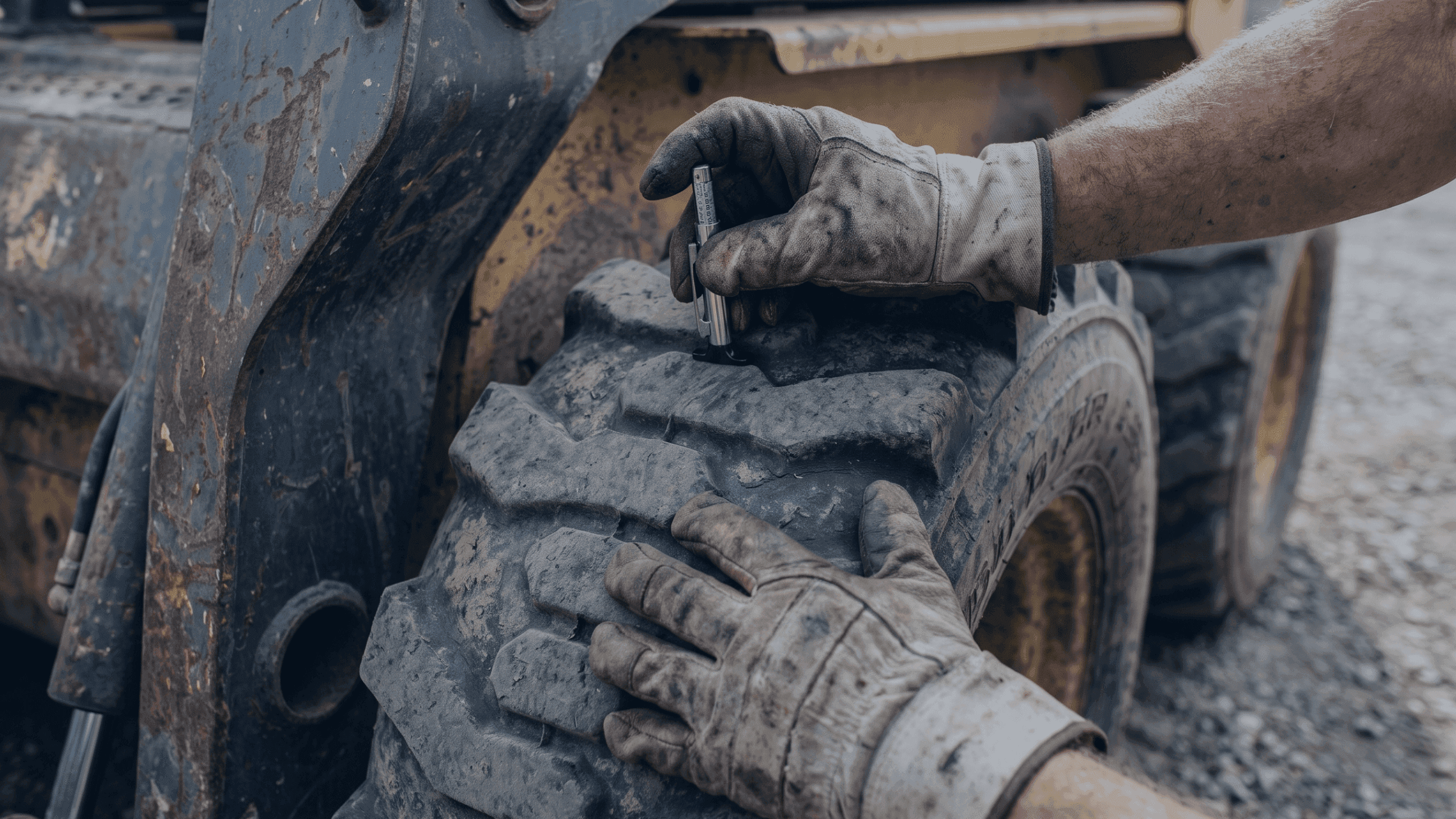
For tracked or wheeled equipment, inspect the tracks, undercarriage, tires, and other visible wear points.
Check for leaks and damage
Look underneath and around the machine for visible signs of fluid leaks.
Pay attention to hydraulic lines, cylinders, hoses, fittings, and other accessible components. Look for damaged hoses, wet areas, cracks, or repairs that could deserve a closer look.
Check the hours and identification
If an hour meter is present, compare it with the information in the listing.
You can also check the model and serial number plates when accessible. If something doesn't match the listing or isn't clear, ask the seller before bidding.
See what you can test
Don't assume "starts" means "everything works."
To find out the dates and times inspection is offered, check on the auction's Inspection Info tab, and any booked inspection shows up on your Dashboard under My Appointments.
If testing is permitted during inspection, find out what you're allowed to operate. Depending on the equipment and seller, that might include starting the engine or checking certain functions.
Pay attention to unusual noises, warning lights, smoke, leaks, or anything else that concerns you.
Never operate equipment without the seller's permission.
Inspect the attachments
If the lot includes buckets, forks, blades, implements, or other attachments, inspect those too.
Make sure you understand exactly what's included in the group of items/lot. Look for wear, damage, missing components, and connection points.
Think about transportation
Inspection is also a good time to figure out how you'll get the equipment home.
Consider its size and weight, the pickup location, trailer requirements, loading needs, and whether you'll need a professional transporter.
Don't wait until after you win to discover you can't move it.
Ask questions before you bid
If something isn't clear, ask.
Used equipment doesn't have to be perfect to be a good buy. What matters is understanding its condition well enough to decide what it's worth to you.
Read the listing. Inspect when possible. Know what you're buying. Plan your transportation. Set your limit. Then bid.