Yes, online auctions can be a great place to find value. But that does not mean every item will sell for less than you could find it somewhere else.
That is part of what makes an auction an auction.
Instead of a retailer setting a fixed price, bidders determine what an item is worth to them. Sometimes bidding stops well below what a comparable item would cost elsewhere. Sometimes competition pushes the price higher. The opportunity comes from knowing what you are buying, doing a little research, and knowing when to stop bidding.
Why can auction prices be lower?
Online auctions bring together all kinds of inventory. Depending on the auction, you might find business liquidations, tools, equipment, vehicles, furniture, appliances, retail merchandise, collectibles, and plenty of things you were not expecting to see.
Sellers are often using auctions because they want an efficient way to move inventory or assets. Equip-Bid's purpose is built around connecting bidders with those opportunities while helping sellers move inventory efficiently.
Rather than waiting for an item to sell at a fixed asking price, an auction puts it in front of bidders and lets bidders compete.
That can create opportunities for bidders.
The winning bid is not the whole cost
One of the biggest mistakes a new bidder can make is comparing the current bid directly to a retail price.
Your total cost matters more than the number on the bid button.
Equip-Bid auctions have an 18% buyer's premium and a $1.50 item fee, although bidders should always check the terms of the specific auction before bidding. Applicable sales tax and other disclosed fees may also affect the final total.
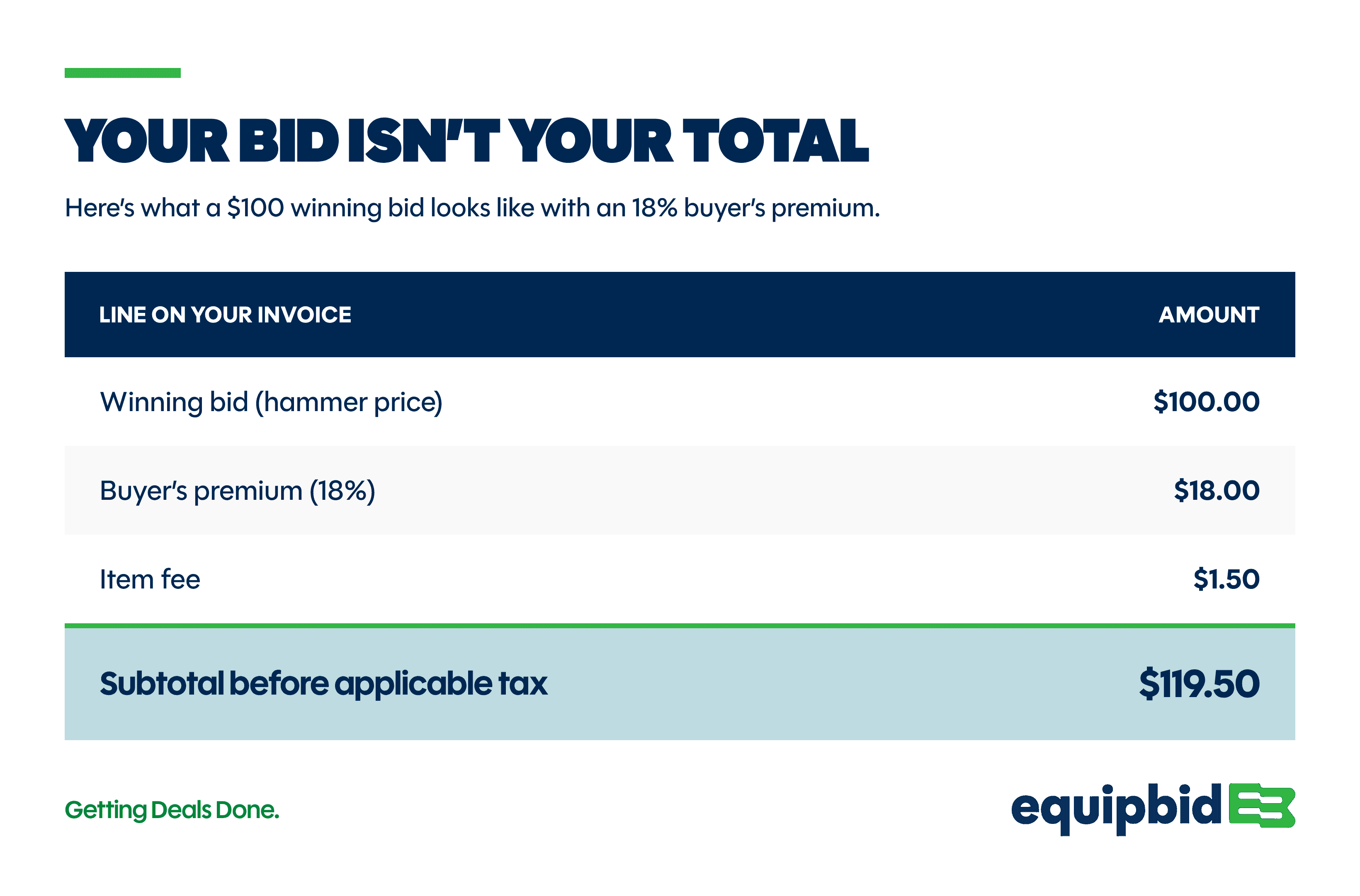
That does not automatically make the item a good or bad deal. The important question is how your total cost compares with your alternatives.
Know what the item is worth to you
The easiest way to overspend at an auction is to decide your limit while you are actively bidding.
Before placing a bid, research the item.
Look at what the same or a comparable item costs new. If it is used, look at typical used prices. Consider the item's age, model, specifications, and condition. For equipment and vehicles, factors such as hours, mileage, maintenance history, and included attachments can significantly affect value.
Then decide what you are comfortable paying.
Your maximum does not have to match someone else's maximum. A contractor buying a skid steer for an upcoming job may value it differently than someone hoping to resell it. A collector may be willing to pay more for a hard-to-find item than a casual bidder.
The goal is not necessarily to win every auction. It is to win at a price that makes sense for you.
Condition can make a big difference
A low price is only valuable if you understand what you are buying.
Read the entire listing rather than relying on the title or first photo. Review all available photos, descriptions, measurements, model information, condition information, and seller terms.
A $300 item that needs $500 in repairs may not be a better value than a $700 item that is ready to use.
On the other hand, a scratched cabinet, open-box appliance or used piece of equipment might be perfectly useful for a bidder who does not need something brand new.
That is where auctions can become especially interesting. Value is different for every bidder.
Remember pickup and transportation
The purchase price is not always your only expense.
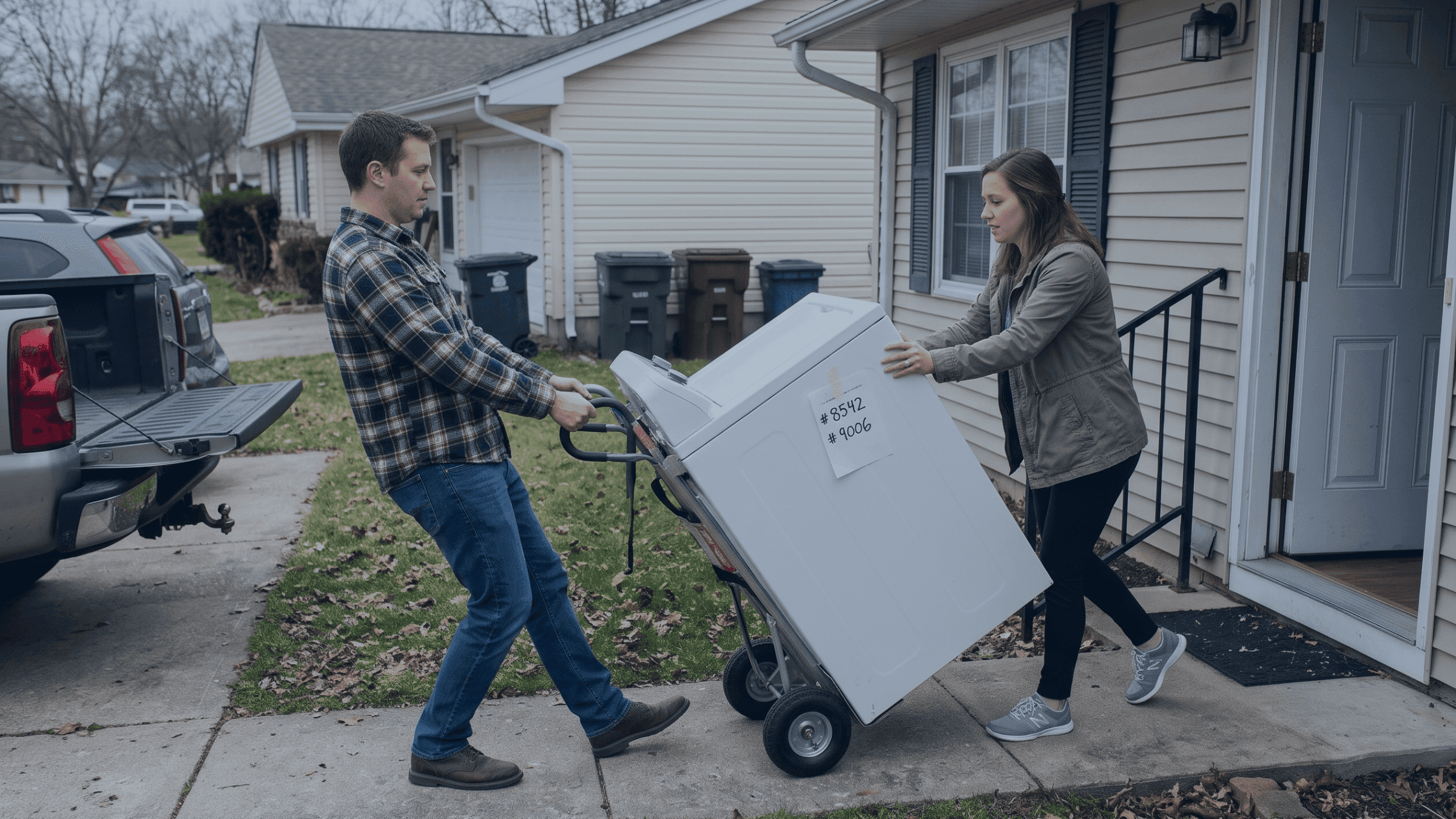
Before bidding on a large or heavy item, consider how you are going to get it home. You may need a trailer, truck, extra help, or specialized equipment. Pickup requirements and available services can vary, so read the auction's terms and pickup information before bidding.
A great winning price can become less attractive if transporting the item costs significantly more than you expected.
So, are online auctions cheaper?
Sometimes.
And that is a much more useful answer than promising that auctions are always cheaper.
Online auctions create opportunities because inventory, bidder demand, and circumstances are constantly changing. An item with several interested bidders may become highly competitive. Another item may receive relatively little attention and close at a price that represents strong value for the winning bidder.
There is no guaranteed discount.
What you do get is the opportunity to decide what something is worth to you and compete for it at that price.
How to shop auctions with value in mind
Before bidding:
- Research the item. Know its typical new and used value.
- Read the full listing. Pay attention to condition, specifications, and what is actually included.
- Check the auction terms. Understand the buyer's premium, item fee, applicable taxes, disclosed fees, and pickup requirements.
- Calculate your total cost. Do not base your decision on the bid amount alone.
- Set your maximum. Decide what you are willing to spend before bidding gets competitive.
- Be willing to walk away. There will always be another auction.
We describe our bidders as "Deal Seekers" who enjoy the treasure hunt and the opportunity to buy something at a great price. That is a good way to think about online auctions.
You are not guaranteed a bargain every time you bid.
But when you research what you are buying, understand your total cost, and stick to a number that makes sense for you, online auctions can give you plenty of opportunities to find a deal worth winning.